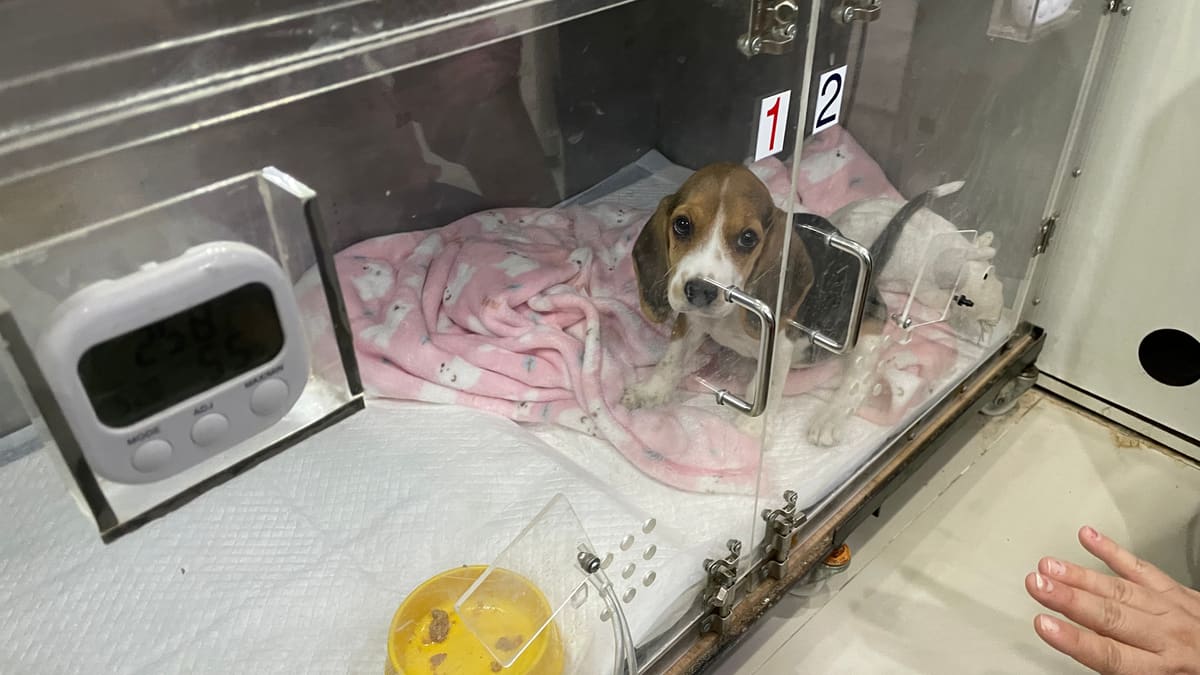
Drug and nicotine enquiries rose from 445 to 633 in 2025, the Guardian reported on October 11, citing VPIS.
To put that figure in context, Buddylio checked the Veterinary Poisons Information Service’s separately published annual report. Released in May, it records 32,000 enquiries across its services in 2025, covering all substances and animal species. Dogs accounted for 79.9% of enquiries.
What a poison helpline enquiry tells us
The annual report covers suspected as well as actual poisonings. Its total combines calls to the service for veterinary professionals, Animal PoisonLine for owners and the APL membership service. It is not a census of every poisoned pet in the UK.
Nor does the overall proportion involving dogs establish a dog only total for any particular substance. A call can begin because an owner is unsure what an animal swallowed; the need for treatment is a separate question.
The report also cautions that how often a substance appears does not necessarily indicate how toxic it is. Access to a substance helps shape the numbers. These distinctions limit what can be concluded about the risk to an individual dog.
What to do after a possible exposure
Animal PoisonLine’s own guidance says dogs may encounter cannabis in plant material, discarded joints or food containing it. Owners should tell their vet what the dog may have taken, even when that information feels difficult to share. Do not try to make the dog vomit yourself.
Its guidance on electronic cigarettes explains that nicotine content and the amount of liquid involved are important when assessing risk. Keep the product details if available and contact a veterinarian or Animal PoisonLine for advice. If a dog is showing symptoms, seek veterinary help promptly.
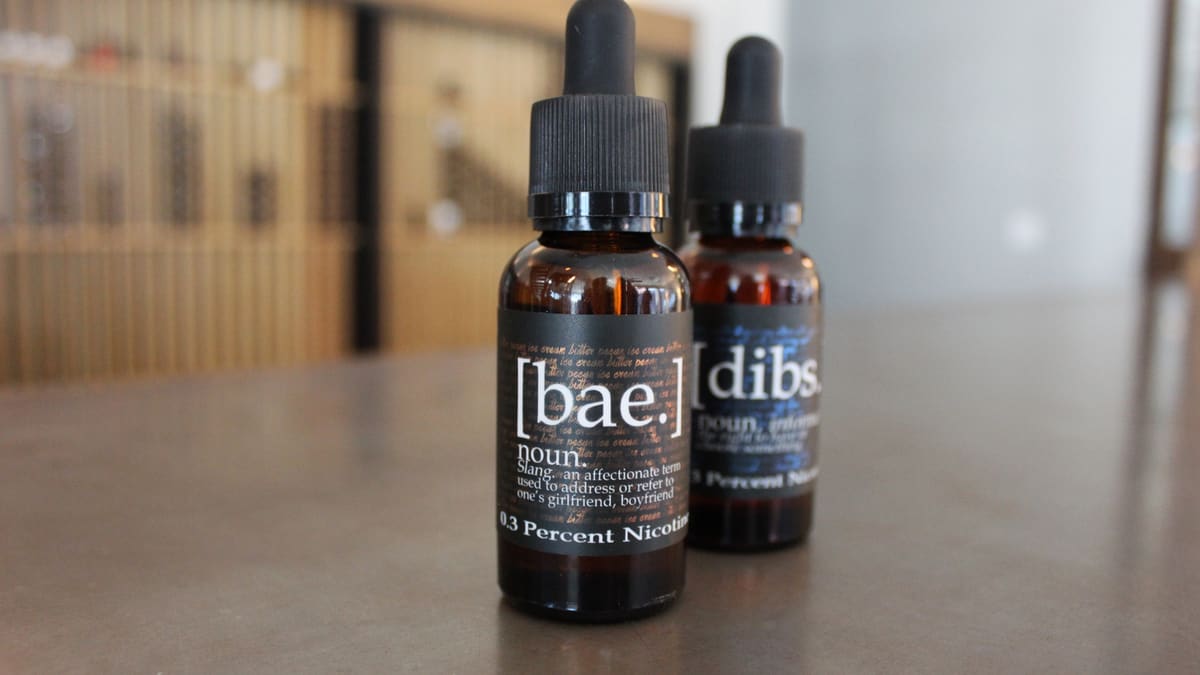
The liquid bottles pictured are a contextual example of vaping products. They are not products identified in a particular poisoning case, and the photograph does not establish a recall or defect.
Sources
How we reported this: The category count in the opening sentence is attributed to the newspaper. The broader totals and the explanation of the data were checked against the official annual report. This article does not estimate national incidence.